





Defending Plano Assets Against Severe Storm Fronts
North Texas weather environments present unique challenges to structural integrity. When a strong storm front passes through Plano, residential and commercial roof arrays absorb immense thermodynamic stresses and direct kinetic shocks. To successfully secure an asset, building owners must look beyond surface level descriptions and focus directly on material physics and engineering guidelines.
Understanding Material Stress Limits
Every shingle design has a specified breaking threshold. Under standard conditions, architectural laminate shingle networks withstand high static pressures. However, high velocity winds combined with unpredictable internal attic pressure drops can initiate rapid uplift mechanics.
"Field inspections executed since 2011 demonstrate that over 75% of early-stage storm failures originate from faulty structural fastening distributions, rather than complete material exhaustion."

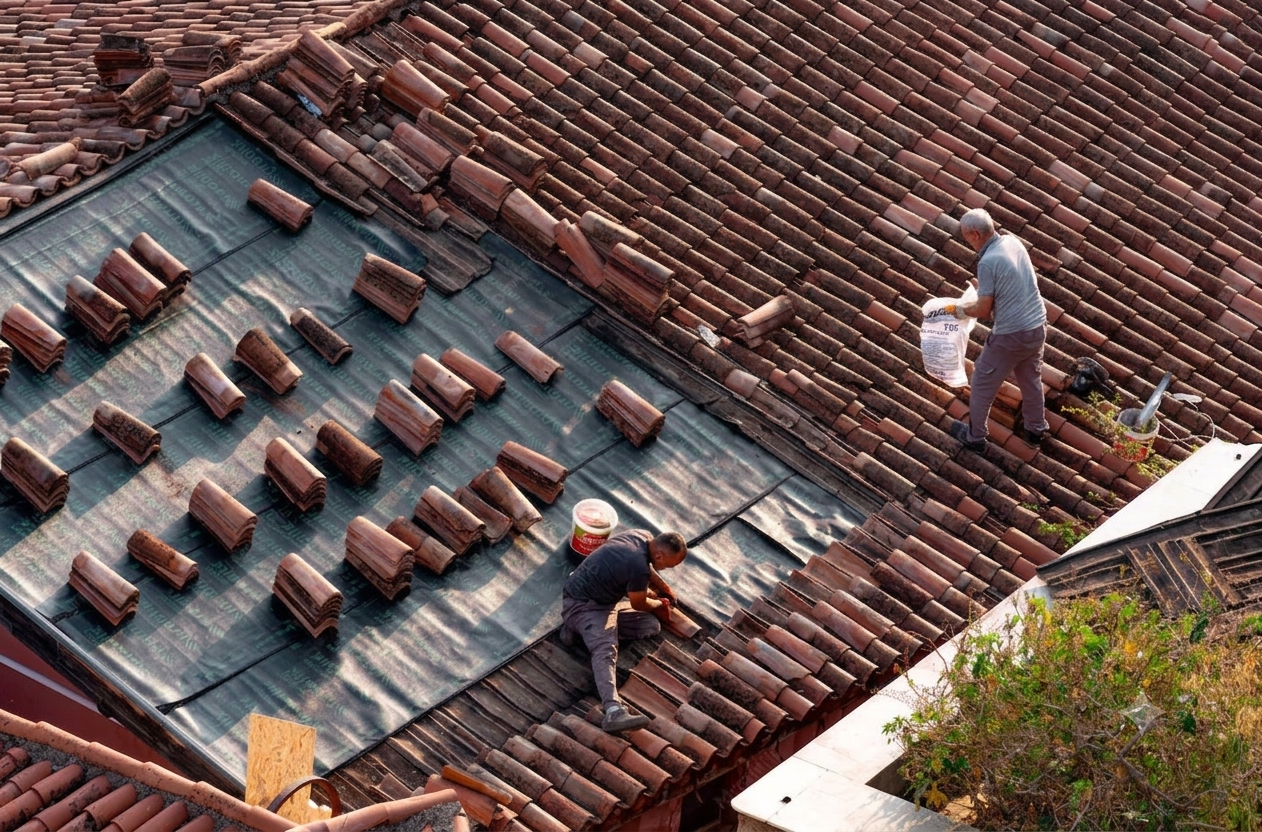
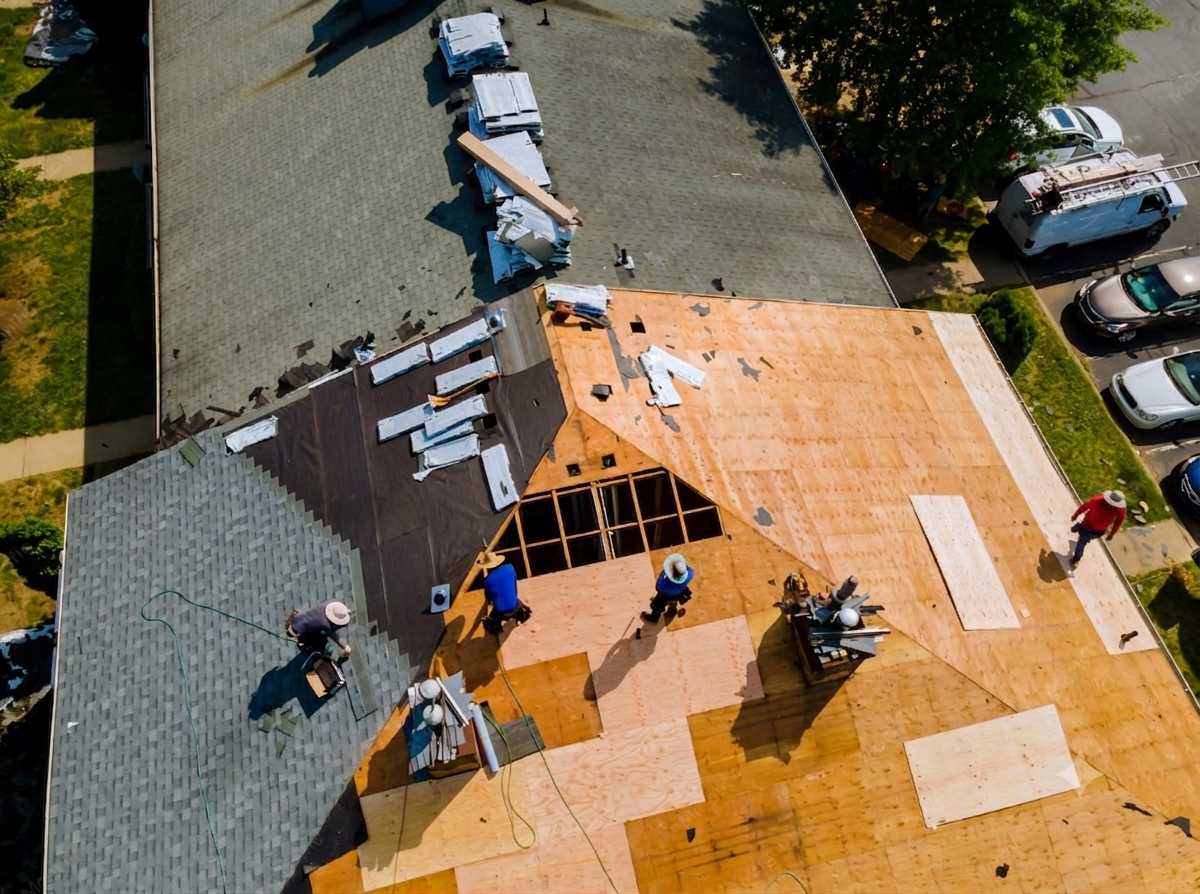
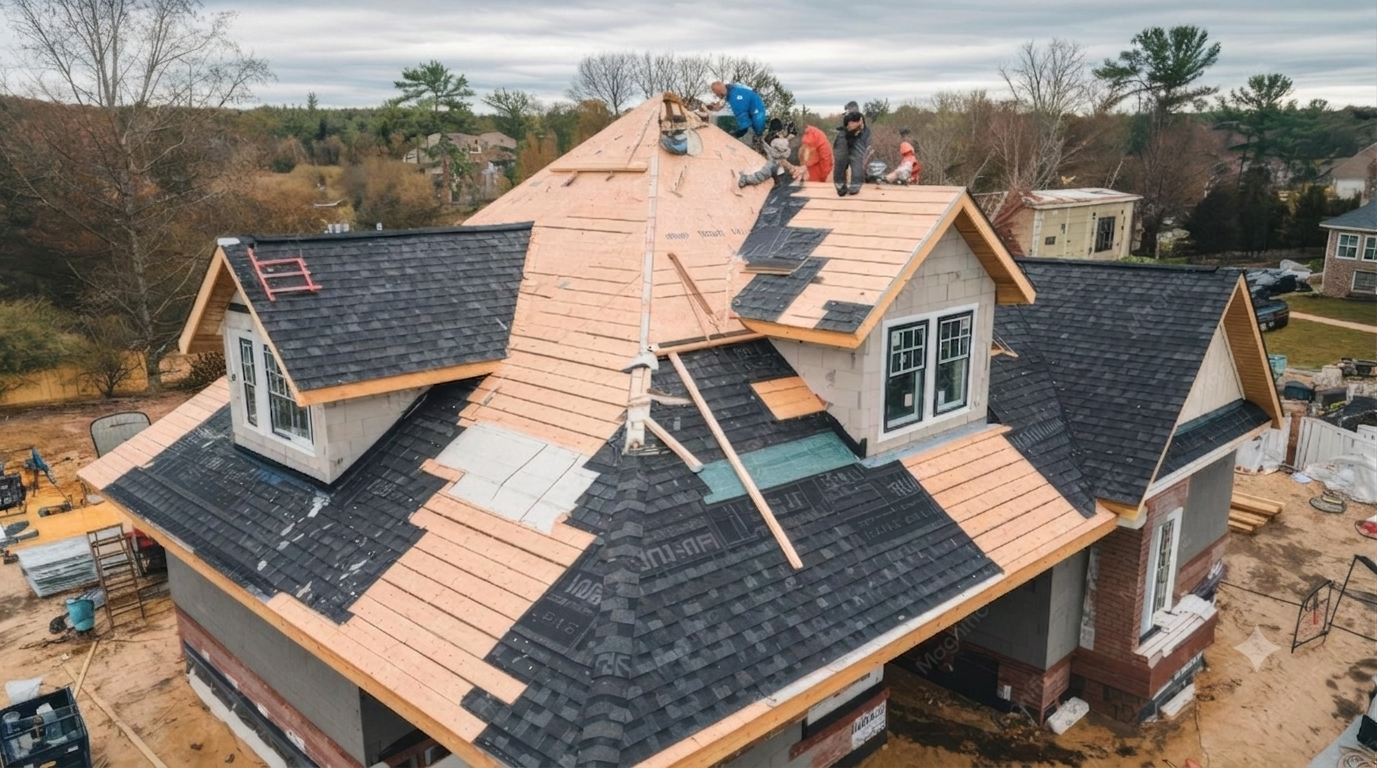
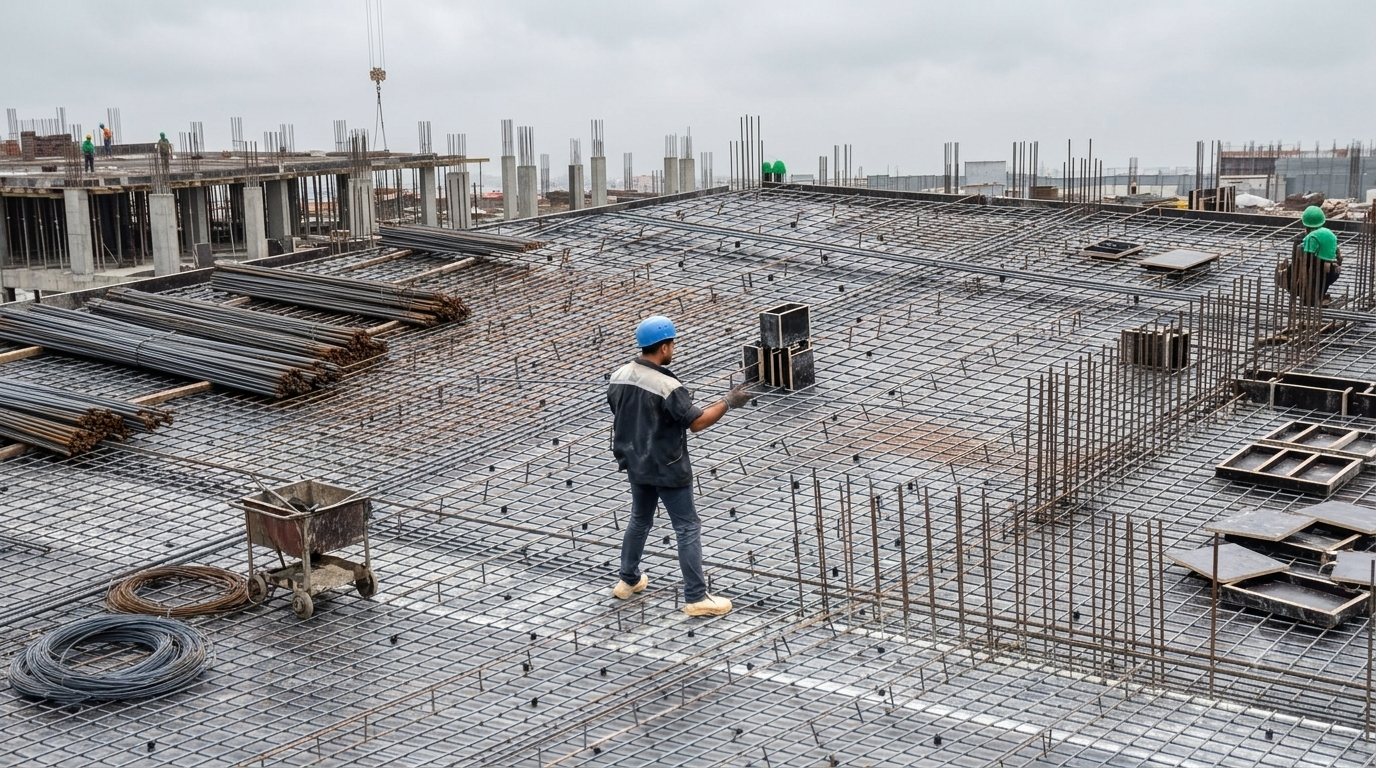
Figure 1.1: Structural assessment of shingle arrays following wind shear patterns.

Figure 1.2: Deep micro-fracture profiling inside damaged asphalt layers.
Micro-Fracture Analysis and Structural Vulnerability
Severe hail impacts cause complex surface degradation that often remains invisible to an untrained eye. While huge kinetic forces rupture asphalt composites instantly, standard hail impacts cause microscopic fractures throughout the protective mineral granule coating layers. Over multiple weeks of extreme solar heat exposure, these tiny cracks widen because of thermal cycling, letting water rot the structural timber frame below.